Xeno Laboratories
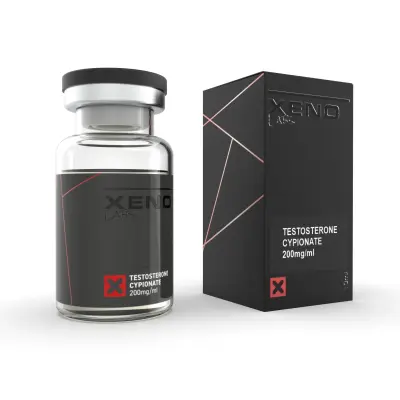
Xeno Laboratories Testosterone Injectable Esters Lineup
No reviews yet
Out of stock
Injection · 5 mg · vial
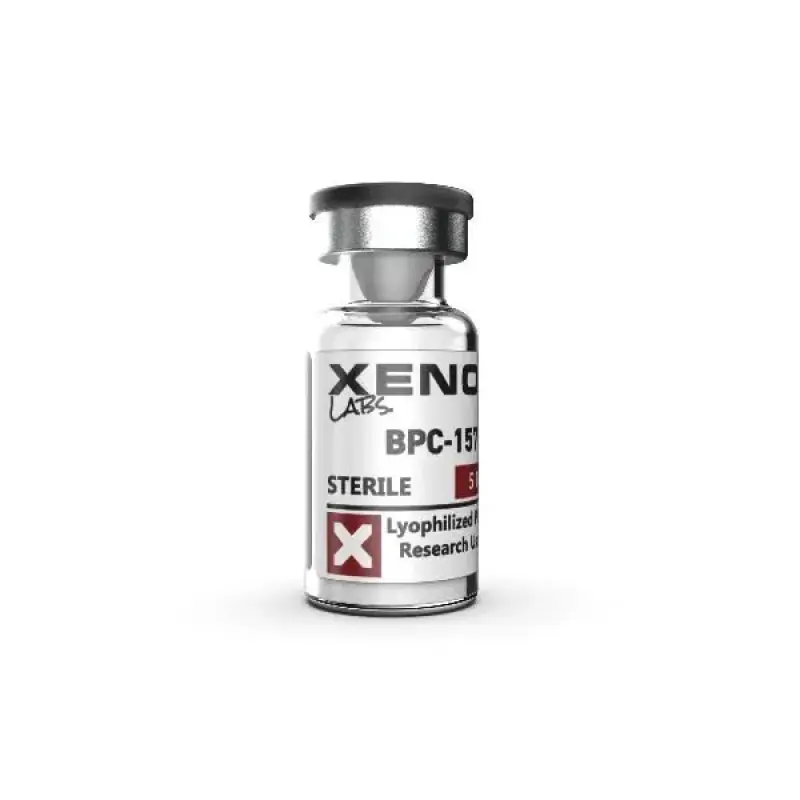
Xeno Laboratories BPC-157 is a 5 mg lyophilized vial of the synthetic pentadecapeptide known as Body Protective Compound 157, a research material studied in animal models rather than a registered medicine.
GMP-manufactured and HPLC-verified, with a Certificate of Analysis per batch, reconstituted with bacteriostatic water and shipped internationally and to the United States.
Xeno Laboratories BPC-157 is a 5 mg lyophilized vial of the synthetic pentadecapeptide whose full name, Body Protective Compound 157, describes the line of investigation it came from. Fifteen amino acids make up the chain, and the published work around it is laboratory work: tissue repair and gut protection in animal models, with no approved medicine in any market. In research settings it is normally handled alongside the repair peptide TB-500 rather than on its own, and the same vial format appears across other lines such as Generic Peptides BPC-157.
The mechanism proposed in the literature centres on interaction with growth factor signalling and on the formation of new blood vessels, but the evidence sits in animal and cell models. Pharmacokinetics come from rat studies, where the half-life measured after intravenous or intramuscular administration is 7.9 to 30 minutes, and no human half-life has been established. Urine analysis uses weak cation exchange solid phase extraction, and the peptide is reported to remain stable in urine for about four days. A 2025 review described the human evidence as limited.
Add bacteriostatic water down the wall of the vial and swirl instead of shaking, because the peptide is a fragile chain. The arithmetic is milligrams divided by millilitres added, and one published vendor example shows how the label reads in practice: 5 mg with 2 ml gives a unit value that corresponds to 250 mcg per 10 units on a U-100 syringe. Keep the sealed powder cold and dry, and the mixed solution refrigerated.
BPC-157 is named by WADA in class S0, the category for substances that are not approved for human use, and it is prohibited at all times for tested athletes. That is a regulatory fact, not evidence of harm or of benefit. No human dose is stated on this page, no protocol is described, and the vial is supplied strictly as laboratory research material.
For laboratory research only. Not for human or veterinary use. Information provided is for educational purposes only and does not constitute medical advice. Consult a healthcare professional before use.
| Trade Name | BPC-157 |
| Generic Name | Pentadecapeptide BPC-157 |
| Manufacturer | Xeno Laboratories |
| Dosage | 5 mg per vial |
| Package | Lyophilized powder, one vial |
| Drug Class | Research peptide, WADA class S0 |
| Administration | Laboratory reference material, not for administration |
| Storage | Sealed powder cold and dry, mixed solution 2 to 8 C |
| Prescription Status | Not an approved medicine in any market |
| Verification | Third-party HPLC per batch, COA on file |
| Shipping | International and U.S. domestic options |
For laboratory research only. Consult a healthcare professional before handling any peptide. Amounts shown are research references, not recommended human doses.
Before you ask
BPC-157 is a synthetic peptide fifteen amino acids long, which is what pentadecapeptide means, and its full descriptive name is Body Protective Compound 157. It is investigated in animal and cell models for tissue repair and for protection of the gut lining. It is not an approved medicine anywhere, so every published finding belongs to a research context rather than to clinical practice.
Add bacteriostatic water slowly down the side of the vial and swirl, never shake, because agitation damages peptides. The concentration is simply the milligrams divided by the millilitres of diluent, so 5 mg with 2 ml gives a fixed unit value that a vendor calculator illustrates as 250 mcg per 10 units on a U-100 syringe. That is a calibration example for laboratory work, not an amount to use, and it changes with every different diluent volume.
Published measurements are from rats, where the half-life after intravenous or intramuscular dosing falls between 7.9 and 30 minutes depending on the route and the analytical method used. No human half-life has been established, and the absence of that number is one reason the literature describes the clinical evidence as limited. It also explains why the peptide is reported to clear from urine within about four days in stability work.
No human safety trial has established a side effect profile for this peptide, so a list cannot honestly be given. A 2025 review of the available clinical material concluded that the data are limited and that the substance sits in the WADA class reserved for agents without approval for human use. Animal studies report no consistent toxicity signal, but animal findings do not transfer into a human profile, and this vial is not intended for administration at all.
Yes. BPC-157 is named in the WADA Prohibited List under class S0, the non-approved substances category, and USADA published guidance explaining that the peptide is prohibited at all times once listed. Because class S0 is a catch-all for substances with no human marketing approval, the entry reflects regulatory status rather than a doping benefit that was demonstrated in trials. The current list edition is the only authority.
This 5 mg vial is listed as research material with international checkout and a U.S. domestic option. Orders are handled within one to two business days and each batch ships with an HPLC report and a Certificate of Analysis. Stock, variant and the current price are shown in the product block above; at the time of checking, the listing carried an out of stock marker while packs are restocked, so confirm the stock line before ordering.
Be the first to share your experience with Xeno Laboratories BPC-157 5 mg Lyophilized Research Vial
Log in to write a reviewComplete the cycle
Out of stock
Out of stock
Out of stock