Kalpa Pharmaceuticals
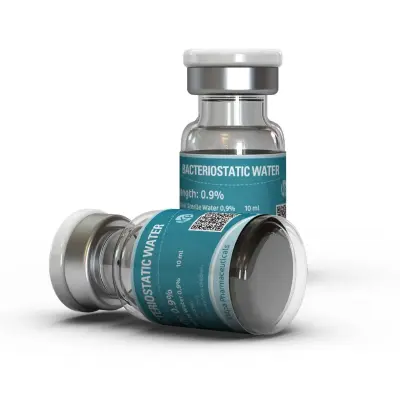
Kalpa Pharma Bacteriostatic Water 0.9% Sterile Diluent Vial
No reviews yet
Out of stock
Injection · 50mg · vial
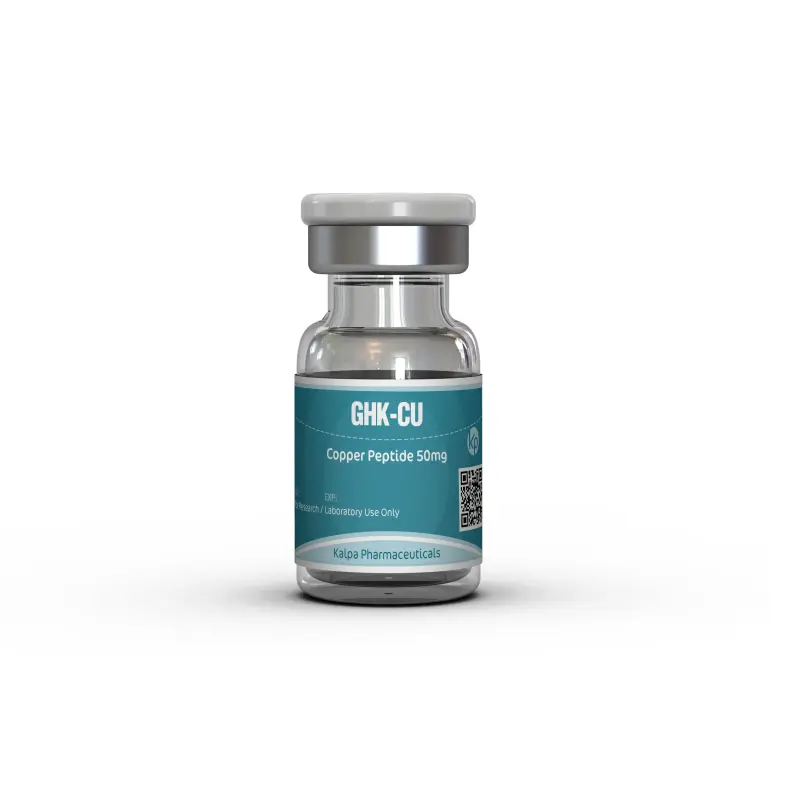
Kalpa GHK-CU 50 mg is a lyophilised research vial of the copper tripeptide, the collagen-derived sequence that carries copper in a 1:1 bond.
Each vial is GMP-manufactured and HPLC-verified with a Certificate of Analysis on file, and reconstitutes with bacteriostatic water. GHK-CU for sale with U.S. domestic and international shipping.
Kalpa GHK-CU 50 mg supplies the copper tripeptide glycyl-L-histidyl-L-lysine bound to copper in a 1:1 ratio. The GHK sequence is part of the alpha 2(I) chain of type I collagen and is released when tissue is damaged, which is the reason it appears in skin and repair research rather than in hormone work. No approved drug contains the peptide, so the vial is a laboratory material supplied on the Kalpa peptide range.
The peptide acts on the matrix rather than on a receptor pathway: it stimulates synthesis of collagen, elastin and glycosaminoglycans, supports dermal fibroblast activity, and modulates metalloproteinases together with their inhibitors, which is how tissue remodelling is regulated. It also appears in work on new blood vessel and nerve growth. Human evidence is limited to topical creams used for 12 weeks in studies of skin density and wrinkles, and the human half-life is not established, so injection data do not exist at all.
A 50 mg vial with 5 ml of bacteriostatic water gives 10 mg per ml, so 1 mg measures 0.1 ml on a U-100 syringe, and 2 ml of solvent gives 25 mg per ml for smaller draws. Add the water down the vial wall, do not shake, and store the solution at 2-8 C without freezing. The copper peptide appears in three places on the site, and the Axiolabs GHK-CU and GHK-Cu entries use other vial labels, so compare them before ordering.
Every batch is produced under GMP conditions and checked by independent HPLC, with the Certificate of Analysis held for the batch. Amounts above 3 to 4 mg per day and reports of headache come from online protocols rather than clinical work, so those figures are community practice. The peptide was not found in the WADA prohibited list and no official ban was located, but that absence does not make it cleared for sport, and athletes should confirm with their federation.
For laboratory research only. Consult a healthcare professional before use.
| Trade Name | Kalpa GHK-CU 50 mg |
| Generic Name | GHK-Cu, copper tripeptide-1 |
| Manufacturer | Kalpa Pharmaceuticals |
| Dosage | 50 mg per lyophilised vial |
| Package | 1 vial of powder for reconstitution |
| Drug Class | Research peptide, copper tripeptide |
| Administration | Reconstitute with bacteriostatic water |
| Reference Half-Life | Not established in humans |
| Shipping | International and U.S. domestic options |
Consult a healthcare professional before any cycle. Where a stack suppresses natural testosterone, PCT is required. Doses are common community protocols.
Before you ask
It is a lyophilised research vial containing 50 mg of GHK-Cu, the tripeptide glycyl-L-histidyl-L-lysine bound to copper in a 1:1 ratio. The GHK sequence comes from the alpha 2(I) chain of type I collagen and is released when tissue is damaged. No approved medicine contains the peptide, so it is supplied as a research material rather than a treatment.
It influences the extracellular matrix rather than a hormone receptor. The peptide stimulates collagen, elastin and glycosaminoglycan synthesis, supports dermal fibroblast activity, and modulates metalloproteinases together with their inhibitors, which controls how tissue is remodelled. Research also covers new blood vessel and nerve growth, and the copper atom is part of how the peptide is delivered.
It is not established. The project fact base states this directly, and no primary source offers a measured human value. Human data come from topical creams applied for about 12 weeks in studies of skin density and wrinkles, and topical exposure says nothing about clearance from an injection. Any timing used in laboratory work is therefore an assumption rather than a measured figure.
Five millilitres of bacteriostatic water give 10 mg per ml, so 1 mg measures 0.1 ml on a U-100 syringe; 2 ml of solvent gives 25 mg per ml and quarters the volume for the same amount. Add the water down the vial wall and do not shake the solution. Store it at 2-8 C without freezing and use it within the window on the vial.
Cream studies describe local skin effects rather than systemic ones, and there are no published injection trials. Amounts above 3 to 4 mg per day and reports of headache come from online protocols, not clinical work. Because no controlled human injection data exist, interactions and long-term effects are unknown, and the peptide remains a laboratory material.
The peptide was not found in the WADA prohibited list and no official ban was located in the project fact base. That absence is not the same as permission, and lists change, so athletes should confirm the current position with their federation. Unlike TB-500 or the GH secretagogues, GHK-Cu is not named in a prohibited class.
Yes. The 50 mg vial is listed on this page with international and U.S. domestic shipping options, and the price charged matches the option you select. Orders are dispatched after payment confirmation. The product is sold strictly for laboratory research and is not a licensed medicine in any country.
Be the first to share your experience with Kalpa GHK-CU 50 mg Copper Peptide Research Vial for Labs
Log in to write a reviewComplete the cycle
Out of stock
 U.S Domestic
Available Domestic
Out of stock