 International
Generic
Metformin - Glucophage 500 mg and 1000 mg Diabetes Tablets
Oral · 500 mg/tab · 100 tabs
In stock · ships within 24h
Out of stock
$45.00
Glucophage contains metformin, a biguanide tablet used to control blood sugar in type 2 diabetes. It is taken with food, alone or alongside other diabetes medicines.
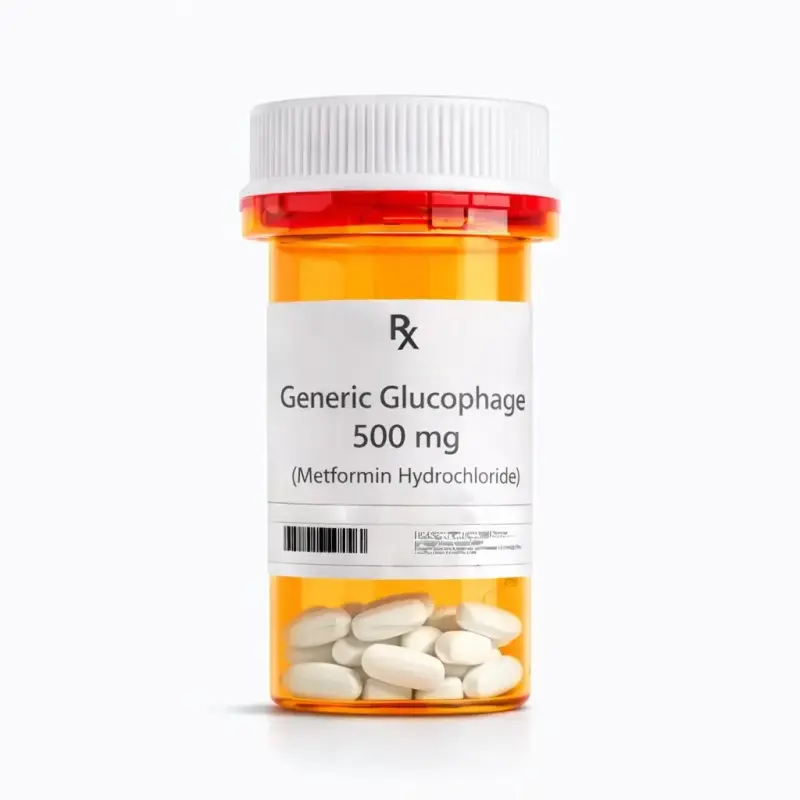
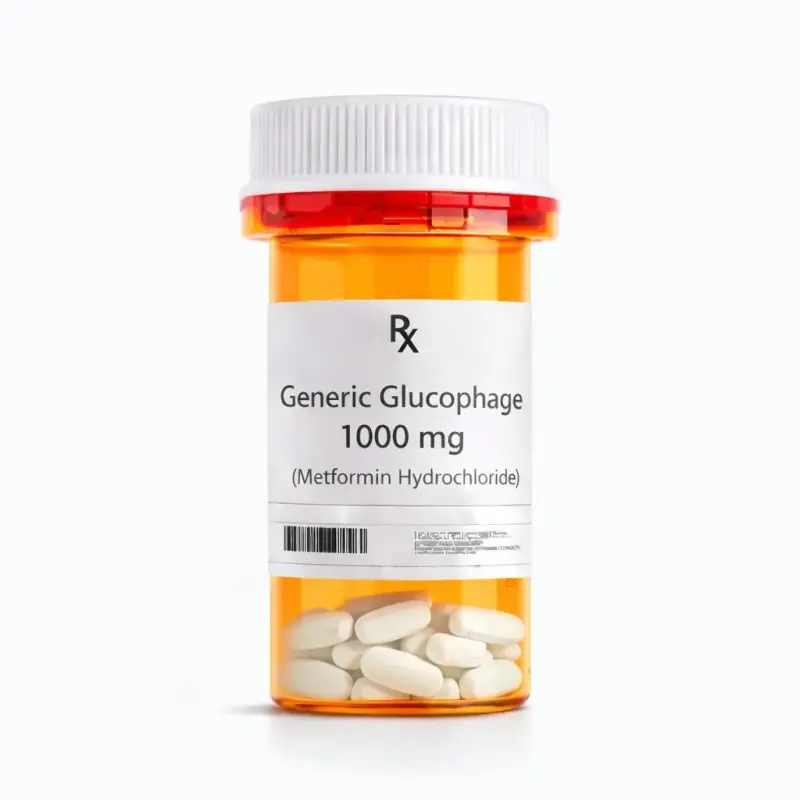
Manufactured by Merck. Stocked as Glucophage 500 mg and Glucophage 1000 mg, 60 tablets per pack. Available for purchase with international shipping.
Strength
Not available in this combination
Shipping
Not available in this combination
Discreet plain packaging
Worldwide reship guarantee
Crypto & card accepted
Product overview
Metformin - Glucophage 500 mg and 1000 mg Tablets
Metformin is the first-line tablet for type 2 diabetes, taken with diet and exercise, on its own or alongside other diabetes medicines and insulin. It is supplied as Glucophage 500 mg and 1000 mg tablets, 60 per pack. Metformin is a biguanide: it does not push the pancreas to release more insulin, so it is less likely to cause low blood sugar on its own. It is not used to treat type 1 diabetes. Another class of tablet used for the same condition is Glimepiride.
- Two variants: Glucophage 500 mg and Glucophage 1000 mg
- 60 tablets per pack
- Biguanide that controls blood sugar in type 2 diabetes
- A prescription medicine in most countries
Variant Comparison
Both variants contain metformin hydrochloride; the difference is the strength in each tablet and how the daily dose is built.
| Variant | Dosage | Form and quantity | Best use |
|---|---|---|---|
| Glucophage 500 mg | One tablet with meals, two or three times daily | Immediate-release tablet, 500 mg | Starting treatment and fine dose adjustment |
| Glucophage 1000 mg | One tablet with meals, usually twice daily | Immediate-release tablet, 1000 mg | Established maintenance dose |
Treatment starts at a low dose, increased no more often than every one to two weeks, so the 500 mg tablet is what most people begin with and it allows the dose to move in small steps. The 1000 mg tablet reaches higher daily amounts with fewer tablets, which suits a settled maintenance dose. Stomach upset is common at the start; persistent nausea is assessed and treated separately with Domperidone only if nausea persists and is assessed.
How Metformin Works
Metformin reduces glucose absorbed from food, reduces glucose released by the liver, and helps the body respond to its own insulin. Because it works with existing insulin, it is not used in type 1 diabetes. It rarely causes hypoglycaemia on its own, but the risk rises if it is combined with insulin or sulfonylureas, or if meals are skipped. Diabetes raises cardiovascular risk, so a statin such as Atorlip is often prescribed alongside it.
Dosage & Administration
Glucophage tablets are swallowed with meals two or three times a day, and the dose is built up gradually. Extended-release metformin is a different product, taken once daily with the evening meal and swallowed whole. If a dose is missed, take it as soon as you remember unless the next dose is close, and never double up. Metformin can rarely cause lactic acidosis: stop it and call a doctor immediately for extreme tiredness, nausea, vomiting, stomach pain, fast breathing, dizziness or muscle pain. It is stopped before surgery and before x-ray procedures with contrast dye, and it is not used in kidney disease. Alcohol increases the risk of lactic acidosis, so ask your doctor what is safe.
This product may require a prescription in your country. Information provided is for educational purposes only and does not constitute medical advice. Consult a qualified healthcare professional before use.
Specifications
| Trade Name | Glucophage |
| Generic Name | Metformin hydrochloride |
| Manufacturer | Merck |
| Dosage | 500 mg and 1000 mg per tablet |
| Package | 60 tablets per pack |
| Drug Class | Biguanide antidiabetic |
| Administration | Oral, with meals two or three times daily |
| Storage | Room temperature, away from heat and moisture |
| Prescription Status | Prescription medicine in most countries |
| Verification | Batch and expiry confirmed with supplier |
| Shipping | International |
FAQ
Before you ask
Questions, answered
Metformin is used to treat type 2 diabetes in adults, together with diet and exercise. It controls blood sugar on its own or alongside other diabetes medicines, including insulin. It is not used for type 1 diabetes, and it does not cure diabetes, so it has to be taken continuously.
Glucophage tablets are taken with meals two or three times a day, starting at a low dose that is increased no more often than every one to two weeks. Extended-release metformin is a different product: it is taken once daily with the evening meal and swallowed whole, never split, chewed or crushed. Follow your prescription exactly.
Stomach problems are the common ones: diarrhoea, nausea, stomach discomfort, gas, indigestion, constipation, weakness and a change in sense of taste. They are most likely at the start or after a dose increase and often settle. Rarely, metformin can cause lactic acidosis, which is serious; the warning signs are listed under dosage above.
Yes. Some diuretics and seizure medicines, including acetazolamide, topiramate and zonisamide, raise the risk of lactic acidosis when taken with metformin. Metformin is also stopped before surgery and before x-ray or scan procedures that use injected contrast dye, usually for at least 48 hours. Tell every doctor and dentist that you take it.
Alcohol increases the risk of lactic acidosis and can also lower blood sugar, so regular drinking or binge drinking is a real concern with metformin. Tell your doctor how much you drink and ask what is safe in your case. Never skip meals while drinking.
No. Metformin controls diabetes but does not cure it, and blood sugar stays in range because the tablet is working. Do not stop taking it without talking to your doctor, and keep your monitoring and laboratory appointments, because kidney function and vitamin B12 levels are checked during long-term treatment.
Yes, 60-tablet packs of Glucophage 500 mg and Glucophage 1000 mg are stocked here and international shipping is available at checkout. Metformin is a prescription medicine in most countries, so check the rules where you live before ordering, and never change your diabetes treatment without medical advice.
No reviews yet
Be the first to share your experience with Metformin - Glucophage 500 mg and 1000 mg Diabetes Tablets
Log in to write a reviewComplete the cycle
Stack it with
International
 International
 International